
Water levels at Wimbleball Lake on Exmoor have dropped to just 39 percent capacity, sparking fears of a full-blown drought after the UK's driest spring in over 130 years and its warmest summer ever. This giant reservoir, vital for southwest England's water supply, echoes the scary lows of 2022. What's causing this plunge, and can it bounce back?
Current Crisis at Wimbleball Lake
Wimbleball Lake, a key reservoir holding up to 21,320 million liters, now sits at only 39 percent full as of early September 2025. That's slightly above the levels seen at this point in 2022, when it hit a record low of 17.2 percent by October. Back then, the lake recovered fully by year's end, offering some hope amid today's worries.
This drop marks the second-lowest level among South West Water's major reservoirs, with only Wistlandpound at 36 percent. Officials from South West Water point out that Wimbleball shares water with smaller sites like Colliford and Roadford, making its health crucial for the region's supply chain.
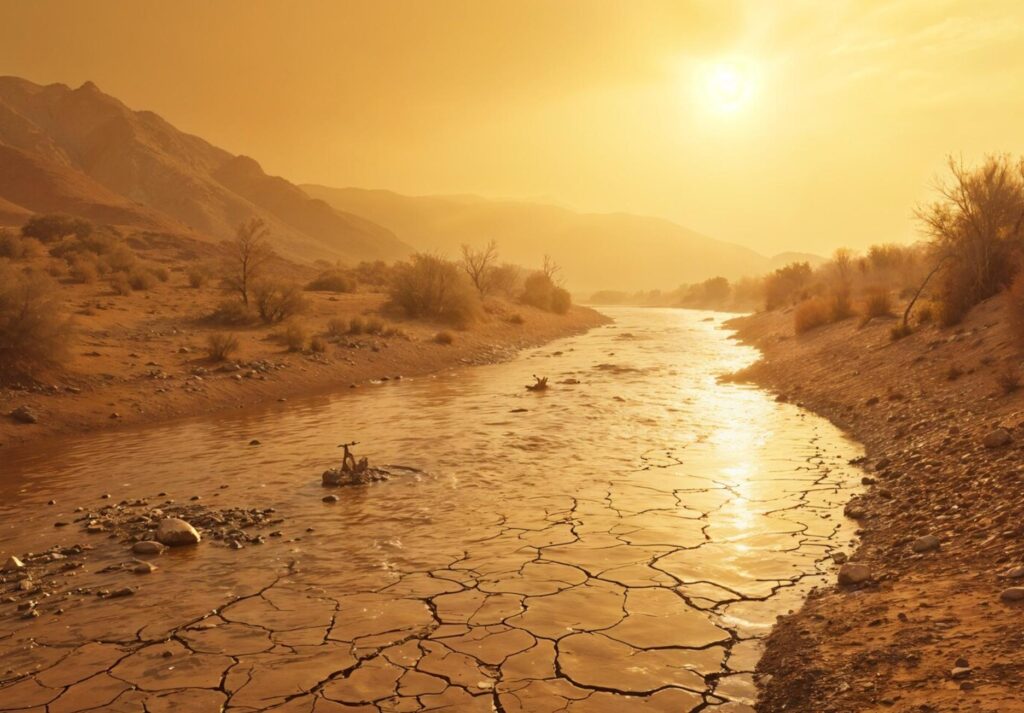
Visitors are already feeling the effects. Social media posts from the lake show bare, muddy banks that force sailors to drag boats across exposed shores. A spokesperson warned people to stick to paths and avoid deep mud, even advising old shoes for water activities and leashes for dogs.
The Environment Agency has slapped Somerset with 'prolonged dry weather status,' the first step toward declaring an official drought. This status highlights how low rainfall is stressing water resources across the area.
What Sparked This Sharp Decline?
The main culprits are a brutally dry spring and an unusually hot summer in 2025. The UK saw its driest spring since records began over 130 years ago, followed by the warmest summer on record. These back-to-back extremes have drained reservoirs faster than they can refill.
Data from weather experts shows spring rainfall was about 30 percent below average, with some areas hitting lows not seen since 1976. Summer heat waves pushed temperatures higher, boosting evaporation and demand for water. Posts on X from farmers and weather watchers describe fields turning bare and ponds drying up, painting a picture of widespread strain.
In Exmoor, where Wimbleball sits, the lack of rain has been stark. One local observer noted that March was the driest in 60 years, April the sunniest since 1910, and May among the driest in a century. June followed suit, setting up a chain reaction that left the lake exposed.
This isn't just bad luck. Climate patterns are shifting, with experts like those at the Met Office warning that such dry spells could become more common. A 2025 study from the UK Centre for Ecology & Hydrology, released in June, analyzed soil moisture data and found levels critically low, leading to crop yields dropping over 40 percent in some spots.
Impacts on Local Life and Economy
Low water levels at Wimbleball are hitting hard on daily life. Sailing clubs report members struggling to launch boats, turning fun outings into muddy chores. The exposed banks reveal cracked earth, a stark reminder of how quickly nature can change.
For farmers and residents, the effects ripple out. Exmoor's agriculture relies on steady water, and this dry spell has forced some to cut back on irrigation. One farmer shared on social media that they've managed by stockpiling grass, but growth is way behind normal years.
Wildlife suffers too. Birds and animals that depend on the lake face shrinking habitats, with mud trapping smaller creatures. Visitors are urged to be careful, but the bigger worry is long-term supply.
Economically, tourism takes a hit. Wimbleball draws crowds for boating and walks, but low levels deter some. In 2022, similar drops led to temporary restrictions, and experts fear repeats could slow recovery in this rural spot.
Here's a quick look at how Wimbleball compares to past years:
| Year | September Level (%) | End-of-Year Recovery |
|---|---|---|
| 2022 | 20 | Full by December |
| 2025 | 39 | To be determined |
| Average | 60-70 | Stable |
This table, based on South West Water records, shows the potential for bounce-back but underscores the current risk.
Steps to Fight the Drought
South West Water is pushing for smarter water use to ease the strain. They suggest simple swaps like using watering cans over hoses and taking shorter showers. These tips aim to stretch supplies without harsh bans.
The company stresses that keeping strategic reservoirs like Wimbleball topped up is key, as they feed smaller ones. In response to the dry weather status, monitoring has ramped up, with weekly checks on levels.
Community efforts are growing too. Local groups encourage rainwater collection and leak fixes at home. One initiative in Somerset offers free audits to spot wasteful spots.
Looking ahead, experts call for bigger fixes like new reservoirs or desalination plants. A tweet from a policy analyst highlighted how England hasn't built a major reservoir in 35 years despite population growth, blaming it on past privatization choices.
On a brighter note, forecasts hint at wetter weather this fall, which could refill the lake like in 2022. But without rain soon, levels might dip further.
The plunge at Wimbleball Lake serves as a wake-up call for water security in a changing climate, blending immediate fears with glimmers of recovery from past droughts. It affects everything from weekend sails to farm yields, urging everyone to think twice about water use. What do you make of this situation, and how has it touched your life? Share your thoughts and pass this article along to friends on social media to spread awareness.